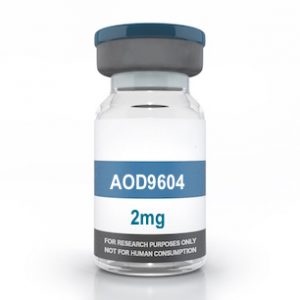
AOD9604 is a synthetic peptide that consist 14 amino acids. Also called as tyr-somatostatin, AOD9604 stimulates lipolysis and suppress lipogenesis without influencing growth or causing insulin resistance. The compound is regarded as a growth hormone analogue. Experimental studies were conducted by the scientists at Monash University to investigate the effects of the compound on obesity. The researchers found that the…
BPC 157 is pentaecapeptide that consists of 15 amino acids. The empirical formula of BPC 157 is C62H98N16O22 and molecular mass is 1419.53552. BPC 157 is also known as Booly Protection Compound 15 and BPC-15. The molecule exhibit potent anti-inflammatory properties against acute and chronic inflammation. In clinical studies, BPC 157 significantly facilitated healing of bone fractures in experimental animals.…
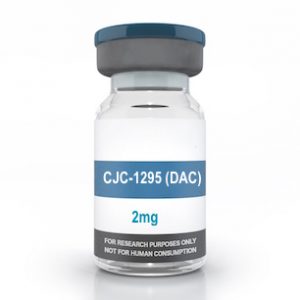
CJC-1295 (DAC) belongs to tetra-substituted peptide hormones classification. CJC-1295 (DAC) contains 30 amino acids. The modified version of GRF 1-29 demonstrates a high affinity towards GHRH receptors. The molecular weight of CJC-1295 (DAC) is 3647.28 and molecular formula is C165H269N47O46. The compound was originally developed by a team of Canadian researchers to increase half-life of growth hormone releasing hormone. Research…
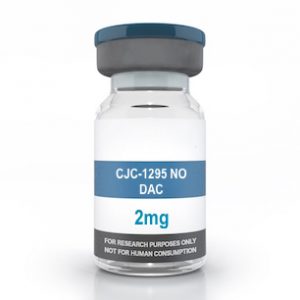
CJC-1295, a modified form of GRF 1-29 NO DAC, is a peptide hormone that contains 29 amino acids. Since the 2000’s, the compound has been studied to explore the lipolytic properties, particularly the visceral fat elimination. The compound is able to conjugate with serum albumin, thereby increasing the half-life and therapeutic potential. CJC-1295 stimulates the pituitary gland, and promotes protein…
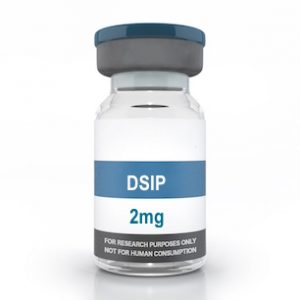
DSIP (Delta Sleep-Inducing Peptide) is a neuropeptide that induces sleep. It induces the spindle and delta EEG activity and reduces motor activities. Its gene is unknown, which makes it the only peptide in history with this characteristic. DSIP is classified as an amphiphilic peptide, which represents a chemical compound possessing both hydrophilic as lipophilic properties. This substance has been found…
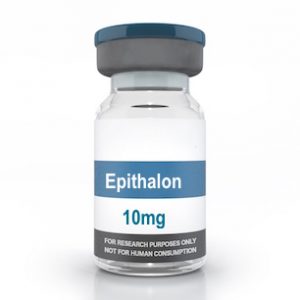
Epithalon is a tetrapeptide that is made up of four amino acids. Epithalon is also known as LS-72251, Epitalon, CID2192402. Epithalon is a synthetic form of Epithalamin, a naturally occurring substance in humans. The molecular mass of epithalon is 390.3459 and empirical formula is C14H22N4O9. Epithalon was discovered by Dr. Vladimir Khavinson in late 1980s. The prime roles of epithalon…
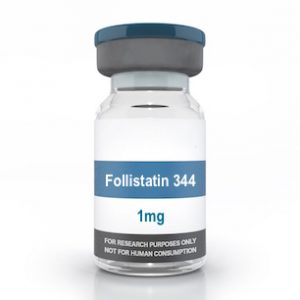
Follistatin 344 is an activin-binding protein that aid muscle repair process and also improve motor functions. It is is made up of 323 amino acids. It binds directly with activin and acts as an activin antagonist. Follistatin 344 is a selective inhibitor of biosynthesis and secretion of pituitary follicle stimulating hormone (FSH). Follistatin 344 is a potent myostatin inhibitor and…
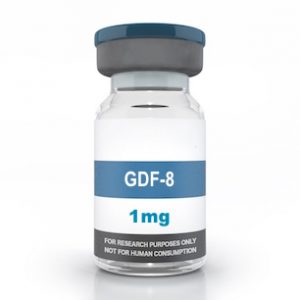
GDF-8 (propeptide-Fc) is a myostatin inhibitor of muscle growth and development process. Myostatin is present in the healing process of muscles and its nature is to inhibit myogenesis (the process of formation of muscular tissue). Scientists have been studying a new method to enhance the repair and regeneration of both muscle and bone in certain injuries through a new recombinant…
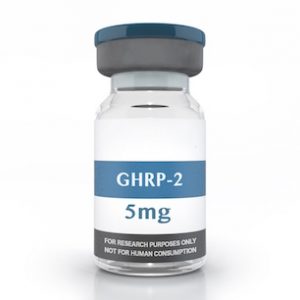
GHRP-2 is a growth hormone releasing polypeptide with short half-life. GHRP-2 consists of 6 amino acids. GHRP-2, a hexapeptide tend to influence G-protein coupled receptors. GHRP-2, also called KP-102, might increase IGF-1 levels. Research evidence published in the Journal of Endocrinology and Metabolism suggest that administration of GHRP-2 to growth hormone deficient individuals has increased plasma growth hormone levels. The…
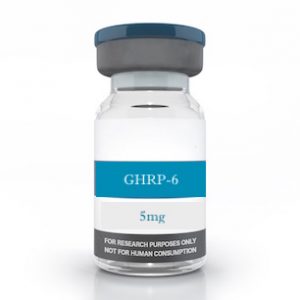
GHRP-6 is a synthetic met-enkephalin analogue and growth hormone releasing peptide. GHRP-6 contains 6 amino acids including unnatural D-amino acids to facilitate growth hormone release (secretagogue). GHRP-6 administered experimental animals showed significant body weight, muscle growth, glucose metabolic rate, heart and brain functions, according to a study published in the Journal of Clinical Endocrinology and Metabolism. Instead of binding with…
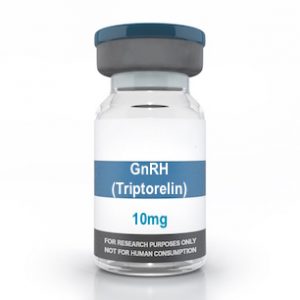
Triptorelin – GnRH (Gonadotropin-releasing hormone) is being used during PCT (Post Cycle Therapy) for users recovery or restart their normal testosterone production. GnRH has been used for a long time by horse breeders as a way to stimulate the anterior pituitary to release follicle-stimulating hormone (FSH). With this stimulation, the horses became more fertile, and breeding would commence. FSH is…
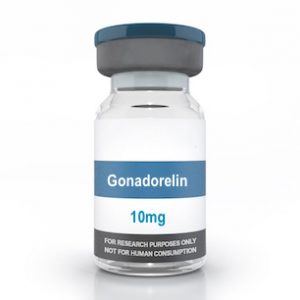
Gonadorelin, also known as gonadotrophin-releasing hormone (GnRH), is a peptide produced by the hypothalamus in the brain. It is used to detect the presence of Luteinizing Hormone (LH) and Follicle-Stimulating Hormone (FSH) in children and to determine the fertility capacity in adults. Gonadorelin tests the manner that both, the hypothalamus and the pituitary glands are working. The pituitary gland is…
Human Chorionic Gonadotropin (HCG) is a polypeptide hormone created in both men and women. It is produced in large amounts during women’s pregnancy and men secrete it in large amounts during puberty. HCG stimulates the natural testosterone production system of men that presents low levels of Luteinizing Hormone (LH) and Follicle-Stimulating Hormone (FSH). Whereby, HCG is considered a viable alternative…
Human Chorionic Gonadotropin (HCG) is a polypeptide hormone created in both men and women. It is produced in large amounts during women’s pregnancy and men secrete it in large amounts during puberty. HCG stimulates the natural testosterone production system of men that presents low levels of Luteinizing Hormone (LH) and Follicle-Stimulating Hormone (FSH). Whereby, HCG is considered a viable alternative…
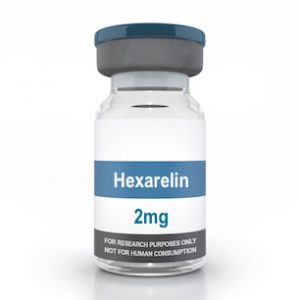
Hexarelin (HEX) is a synthetic peptide GH secretagogue that stimulates the release of growth hormone (GH). It was developed by Mediolanum Farmaceutici and is commonly used as a treatment of GH deficiency. Athletes and bodybuilders also use it as a performance enhancement drug. Through the stimulation of the secretion of natural Growth Hormone, Hexarelin increases the strength, the growth of…
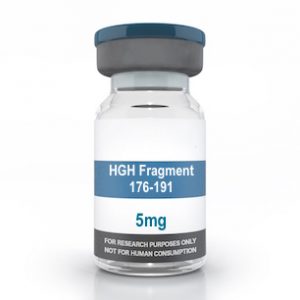
Frag 176-191 is a modified amino acid sequence of growth hormone. The lipolytic activity of Frag 176-191 was confirmed by several published studies. The compound acts directly on the adipose fat tissues, increasing lipolysis and decreasing lipogenesis. Studies are being conducted on the compound since the early 1970’s. Frag 176-191 is rich in proline and proteases, as reported by a…
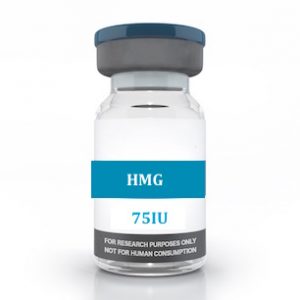
Discover the Benefits and Properties of HMG (Human Menopausal Gonadotropin) Initially, the drug known as HMG was invented in order to help women conceive. It is a fertility medication which triggers the production of FSH (follicle-stimulating hormone) and KH (luteinizing hormone) in a woman’s body, thereby making her more likely to ovulate. However, this drug’s usage has evolved over time…
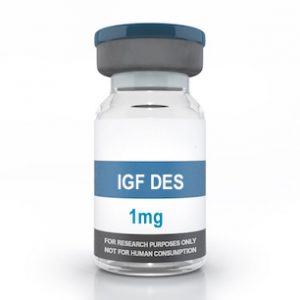
GF1-DES (Insulin Growth Factor – 1 DES) is a human recombinant analogue of somatomedin- C with insulin-like properties. IGF1-DES contains 67 amino acids chain that mimics insulin structure. Growth hormones such as Somatomedins (IGFs) are vital for growth and development. The physiological role of the molecule is positive for protein synthesis, glucose and amino acids transport into the cells, RNA…
IGF1 LR3 (Long R3 Insulin-like Growth Factor) is a polypeptide hormone with properties similar to insulin. However, LR3 is a modified form of IGF1 to increase half-life and to prevent deactivation due to protein binding. IGF1 LR3 contains 83 amino acids with substitution of Arginine instead of Glutamic acid at position 3. Altered polypeptide sequence prevents protein binding and increases…
Ipamorelin, also called as NNC 26-0161, is a pentapeptide, Ghrelin receptor agonist, and selective secretagogue of growth hormones. The short chain peptide contains five amino acids with a long half-life. Ipamorelin demonstrated significant growth hormone releasing capability in experimental studies including in vivo and in-vitro. The action of Ipamorelin mimics GHRP-6 promotes growth hormone release from the pituitary cells by…
Ipamorelin, also called as NNC 26-0161, is a pentapeptide, Ghrelin receptor agonist, and selective secretagogue of growth hormones. The short chain peptide contains five amino acids with a long half-life. Ipamorelin demonstrated significant growth hormone releasing capability in experimental studies including in vivo and in-vitro. The action of Ipamorelin mimics GHRP-6 promotes growth hormone release from the pituitary cells by…
Melanotan 1 is a naturally occurring melanocorticotrophic hormone that induces melanogenesis (skin pigmentation). Melanotan 1, also called Afamelanotide, protects skin from harmful sunrays and UV damage by non-selective binding with melanocortin receptors. The biochemical was synthesized by scientists at the University of Arizona. The efficacy of Melanotan 1 is 1000 times more potent than naturally occurring alpha-MSH. Research studies are…
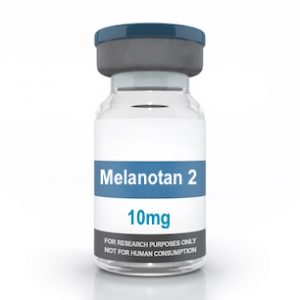
Melanotan 2 (MT-2) is a man-made version of alpha melanocyte stimulating hormone (MSH), a melanocortin peptide hormone. It was first synthesized by researchers at the University of Arizona for melanogenesis, and to increase libido effects in men. The peptide mimics melanogenesis and UV-protective effects of Melanotan 1. However, recent research evidences suggest aphrodisiac effects of Melanotan 2. Due to protective…
Oxytocin is a synthetic form of naturally occurring hypothalamic hormone. After secretion, oxytocin is released into the blood circulation by the pituitary gland. The polypeptide molecule contains 9 amino acids. In 1953, oxytocin was first synthesized by the scientists, and it is one earliest sequenced peptide molecules. The prime role of oxytocin is neuromodulation in the brain. Additionally, the hormone…
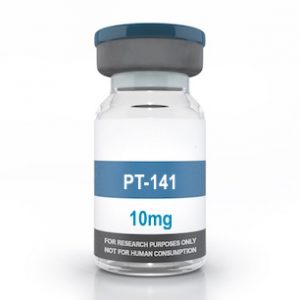
PT-141, also called as Bremelanotide, is a derivative for Melanotan 2 (M2). Unlike M2, PT-141 lacks C-terminal amide molecules. Bremelanotide is a cyclic hepta-peptide lactam derivative of alpha-MSH. PT-141 acts by stimulating melanocortin receptors present in the central nervous system. Due to this potential, PT-141 is being studied as a potential treatment for sexual disorders such as erectile disorders in…
Selank is a anxiolytic peptide, analogue of the immunomodulatory peptide tuftsin. It was developed by the Institute of Molecular Genetics of the Russian Academy of Sciences. Due to its anxiolytic effect, it is useful for the treatment of generalized anxiety disorder (GAD) and depression. Since Selank is an analogue of tetrapeptide tuftsin, it mimics some of its effects. Tuftsin binds…
Also called as GRF 1-29, Sermorelin is GHRH derivative that contains first, active 29 amino acids chain of GHRH that promote release of growth hormones from the pituitary. Sermorelin forms the shortest 1-29 fragment, yet completely functional fragment of GHRH. Increased levels of Sermorelin are linked with augmentation of lean muscular tissues, improved immunological functions, bone density and reduced adipose…
Snap-8 is an octapeptide molecule that contains 8 amino acids backbone. The molecular weight and formula of Snap-8 is 1075.16 Daltons and C41H70N16O16S1, respectively. Research evidences suggest that the octapeptide might reduce wrinkle formation by preventing muscle contraction. Due to these properties, the chemical is being studied as a potential anti-wrinkle treatment, and as an alternative to Botox and other…
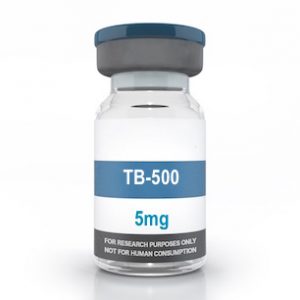
TB-500 is a synthetic form of Thymosin Beta 4 that occurs naturally in animal cells. The peptide is one of the members of 16 related molecules’ ubiquitous family. TB-500 is utilized by the body to improve differentiated endothelial cells functions and associated physiological roles. The molecule acts by regulating the cellular skeleton protein called actin. The latter represents about 10%…
TB-500 is a synthetic form of Thymosin Beta 4 that occurs naturally in animal cells. The peptide is one of the members of 16 related molecules’ ubiquitous family. TB-500 is utilized by the body to improve differentiated endothelial cells functions and associated physiological roles. The molecule acts by regulating the cellular skeleton protein called actin. The latter represents about 10%…
TB-500 is a synthetic form of Thymosin Beta 4 that occurs naturally in animal cells. The peptide is one of the members of 16 related molecules’ ubiquitous family. TB-500 is utilized by the body to improve differentiated endothelial cells functions and associated physiological roles. The molecule acts by regulating the cellular skeleton protein called actin. The latter represents about 10%…
 Domestic
 Domestic
 Domestic
 Domestic
 Domestic
 Domestic
 Domestic
 Domestic
 Domestic
 Domestic
 Domestic
 Domestic
 Domestic
 Domestic
 Domestic
 Domestic
 Domestic
 Domestic
 Domestic
 Domestic
 Domestic
 Domestic
 Domestic
 Domestic
 Domestic
 Domestic
 Domestic
 Domestic
 Domestic
 Domestic
 Domestic
 Domestic