

MOT-C 10mg (None-Labled)
$35.95
| International Brand Name | MOT-C |
| Packing Strength | 1 x vial 10mg |
| Manufacturer Name | AVoGen Lab |
Description
MOTS-c (mitochondrial open-reading-frame of the 12S rRNA-c) peptide is a novel mitochondria-derived peptide. It is a short peptide composed of 16 amino acids, expressed in tissues and plasma, indicating a cell-specific and hormonal role.(1) With the potential to work both as a cell-specific compound and as a hormone, this peptide possibly acts by stimulating the AMP-activated protein kinase (AMPK) pathway. Only two mitochondrial-derived peptides (MDPs) have been studied, Humanin and MOTS-c. When metabolic stress occurs in the organism, the peptide is believed to translocate to the cellular nuclei and alter the gene expression. MOTS-c peptide may also be released extracellularly and is known as “mitochondrial hormone” or simply as “mitokine.With increasing age, skeletal muscles tend to gain insulin resistance, leading to decreased glucose uptake. Upon peptide exposure, skeletal muscles may be stimulated with an improved response toward AMPK activation. As a result, glucose transporter expression may increase, potentially improving skeletal muscle metabolism and enhancing skeletal muscle functioning and growth. Further, MOTS-c’s actions are posited to include targeting metabolic pathways such as the folate-methionine cycle and purine biosynthesis. This targeting may potentially lead to a modulation of cellular metabolism, including actions on glucose uptake and lipid utilization. The peptide’s impact might involve a shift in metabolic priorities within the cell, possibly affecting the balance between anabolic and catabolic processes. In systemic metabolism, MOTS-c is posited to function as a mitochondrial hormone, with circulating peptide levels appearing to affect metabolic functions in skeletal muscle and possibly adipose tissue. Its potential regulatory actions on glucose homeostasis and insulin action suggest a broader hormonal role in energy balance and nutrient sensing across different tissues
Related products
-
 Domestic
- Out of Stock
- US Domestic Peptide
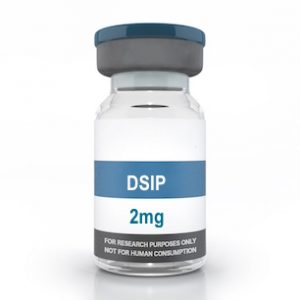
DSIP 2mg
- $24.50
- Read more
-
-
 Domestic
- Out of Stock
- US Domestic Peptide
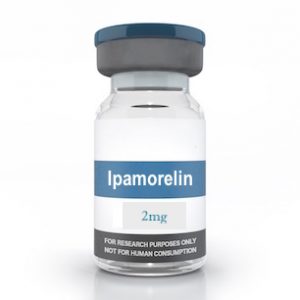
Ipamorelin 2mg
- $18.50
- Read more
-
-
 Domestic
 -
 Domestic
- Out of Stock
- US Domestic Peptide
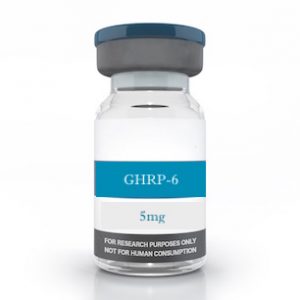
GHRP-6 5mg
- $24.50
- Read more
-